RainierGriz
Well-known member
Yes, often. Olsen, Barker, Shafer, Grossman.Did more than 3 TEs see the field last year?

Yes, often. Olsen, Barker, Shafer, Grossman.Did more than 3 TEs see the field last year?
And, of course you want depth behind them and kids that are developing. 6 or 7 feels fine to me.Yes, often. Olsen, Barker, Shafer, Grossman.

Every team in the Big Sky except ISU has at least 8 TE’s on their roster with several at 10-12.6 TEs for a team that rarely uses them is quite a bit... Don't need more than 4.
I’m sure they will, but opting into the house settlement affects all sports, and I don’t think the other fall sports are in a position to make that transition yet. We will know more by the end of the month. Weird times…As you mentioned, Bobby said in the signing day presser they will hold the roster at 105 so I wonder if they are planning to opt in at a later date.
Explain this one like I am a child, because I might actually need it here. Please.If it were up to BH, it would be coaching malpractice to opt out. He’s got to be ready to opt in.
I personally believe it would be administrative malpractice by Kent to opt out.
You don’t hobble the cash cow just because you feel sorry for some chickens.
It’s a new era, get with the times. Sooner the better
To overly simplify it, opting into the settlement means you’ll be allowed to do some things that you’re currently not allowed to do: things like revenue-share with players, move NIL deals in-house within the athletic department, offer more scholarships, offer higher Alston payment stipends, etc.
Don't think all top FCS schools are not opting in. For example, NDSU. See article. I thought Brint's podcast had Haslam saying UM wasn't opting in this year. I see an article saying MSU is opting in.“Rich get richer.” Any team worth its salt will be opting in. All FBS and the top FCS schools will likely opt in, or get left behind.

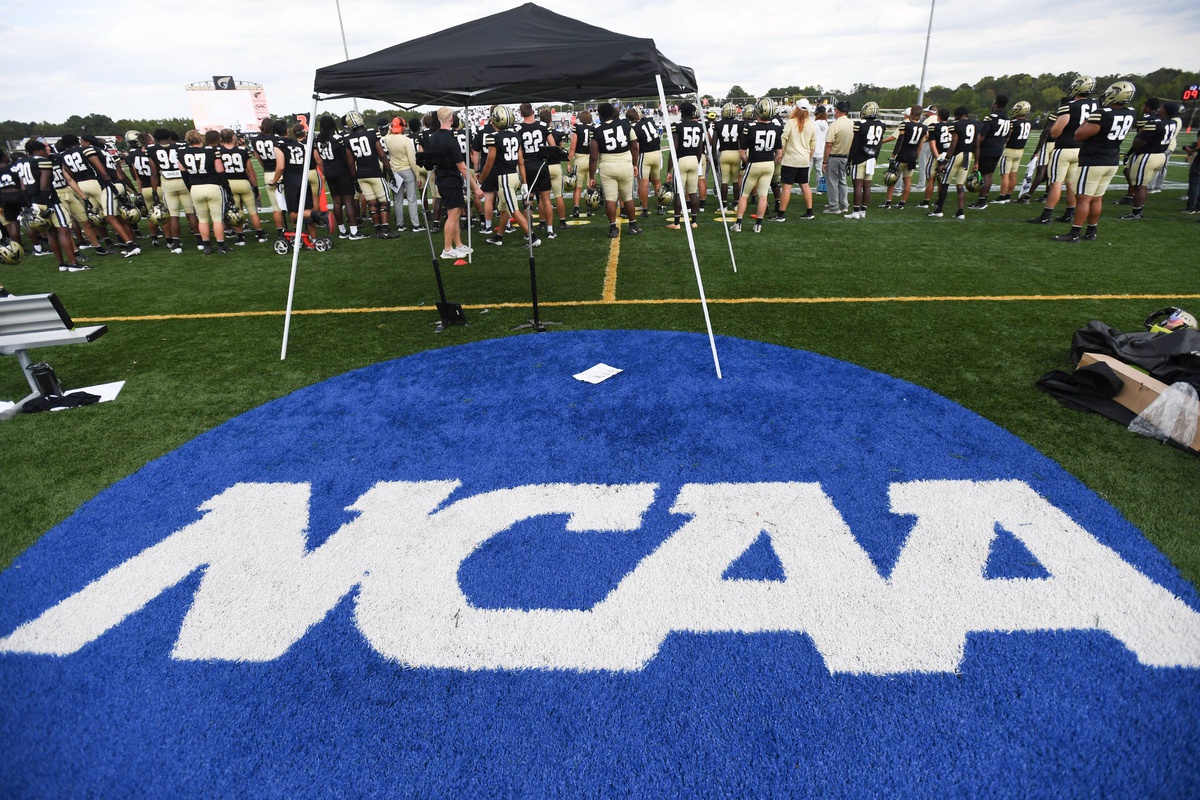
 frontofficesports.com
Don't think all top FCS schools are not opting in. For example, NDSU. See article. I thought Brint's podcast had Haslam saying UM wasn't opting in this year. I see an article saying MSU is opting in.
North Dakota State athletics not joining NCAA 'opt in' financial model
"The biggest difference between opting in and opting out in my mind is now schools can do NIL deals directly with student-athletes." NDSU athletic director Matt Larsen406mtsports.com
From above post: "To overly simplify it, opting into the settlement means you’ll be allowed to do some things that you’re currently not allowed to do: things like revenue-share with players, move NIL deals in-house within the athletic department, offer more scholarships, offer higher Alston payment stipends, etc."
Revenue share with players. UM doesn't have money to revenue share. UM can barely cover the budget. Moving NIL deals in-house isn't a big deal for schools like UM. And the lines are already blurred between coordinating with coaches, it appears. UM doesn't have money to offer more scholarships or to offer stipends.
Limiting the roster to 105 would be a negative for UM.
"At Least 250 Athletes Have Opted Out of the House v. NCAA Settlement"
At Least 250 Athletes Have Opted Out of House Settlement
About 150 former Division I football players have joined a separate lawsuit called Fontenot v. NCAA, FOS can confirm.
“However, the settlement would cost Montana State University and the University of Montana together an estimated $4.4 million over 10 years, the Daily Montanan reports. UM Athletic Director Kent Haslam said the initial projection for Missoula is a loss of $200,000 a year for the decade. “It's real money.” KPAX. .This is also a settlement between the NCAA and players that each school that opts in must pay. I read that the conferences outside the former P5 are on the hook for just under a billion. I am not sure how much annually that would take out of UM's coffers, but it ain't chump change. Opting in isn't all positive.
Nice and Rostad and Klucewich are not coming back. Moving on with life.I have no idea what to expect on defense. All new faces. Could be bad or good. Nuce and Rostad are the only returners that I have some insight that he can be consistent contributors in this defense. Have high hopes for Loud too. Everyone else still lots to see.
Offense I think is a bit less worrisome for me but there will need to be some growth.
Good post and good to have you back.Don't think all top FCS schools are not opting in. For example, NDSU. See article. I thought Brint's podcast had Haslam saying UM wasn't opting in this year. I see an article saying MSU is opting in.
North Dakota State athletics not joining NCAA 'opt in' financial model
"The biggest difference between opting in and opting out in my mind is now schools can do NIL deals directly with student-athletes." NDSU athletic director Matt Larsen
From above post: "To overly simplify it, opting into the settlement means you’ll be allowed to do some things that you’re currently not allowed to do: things like revenue-share with players, move NIL deals in-house within the athletic department, offer more scholarships, offer higher Alston payment stipends, etc."
Revenue share with players. UM doesn't have money to revenue share. UM can barely cover the budget. Moving NIL deals in-house isn't a big deal for schools like UM. And the lines are already blurred between coordinating with coaches, it appears. UM doesn't have money to offer more scholarships or to offer stipends.
Limiting the roster to 105 would be a negative for UM.
"At Least 250 Athletes Have Opted Out of the House v. NCAA Settlement"
At Least 250 Athletes Have Opted Out of House Settlement
About 150 former Division I football players have joined a separate lawsuit called Fontenot v. NCAA, FOS can confirm.
Most FCS schools will opt into the House settlement…it’s expected that all FBS schools will opt in and most FCS schools will too.
I get that there are “cons” with opting in from the perspective of the athletic dept, but from the perspective of the football program alone, the “pros” column far outweighs those.This is also a settlement between the NCAA and players that each school that opts in must pay. I read that the conferences outside the former P5 are on the hook for just under a billion. I am not sure how much annually that would take out of UM's coffers, but it ain't chump change. Opting in isn't all positive.
even funding 10 more scholarships, or 10 more scholarship level players through other means of paying their tuition, provides a competitive advantage for programs that fund FCS football at a high level.
Opting into the House settlement would allow FCS schools to spread their scholarship money out over more players.
Does the BoR and OCHE allow the Universities to go different directions on that? I've been wondering a bit if someone from above will step in on that.If our warring neighbor (MSdUi) opts in, I would be shocked if we do not.
Opting in gives you more control to pay players, but as hoops noted, it also reduces the athletic departments operation budget by $200,000/yr for the next 10. That is significant for the football program, since it is the program most dependent on those funds. I am not sure you grasp the total picture. This settlement was a way for the big guys (that negotiated it) with the money to have the little guys without the money to finance a large portion of the settlement.I get that there are “cons” with opting in from the perspective of the athletic dept, but from the perspective of the football program alone, the “pros” column far outweighs those.
The football program does not give a shit about other sports’ rosters, nor the expense side. The pressure is on them to win now. There’s no pressure on the track and field team.
The handful of roster spots they might have to give up makes it a no brainer, as:


