griz fanatic
Well-known member
More transparency needed. What is on hand, who is it going to and so forth. I'm tired of the BS fundraisers that f'n evaporate and then a new one pops up.

Why would you assume the Cat NIL hasn’t near the money as the Griz?How much money does the MSU NIL have? I assume not nearly as much as the Griz.


Those girls can play! I wouldn’t mind donating some money towards them this offseasonI'll throw in $20 to a griz soccer player's NIL to hear the story.
Only public universities were included in the findings. With expansion and conference realignment being the primary talking point of the offseason 2024 kickoff, financial security trumps all moving forward in college football's new era and the haves are further separating from the have nots from a monetary perspective.On X there was a post about the top schools for NIL. I think it showed Texas had raised 21 million for their NIL. If what Marcus says that we can’t disclose the number I wonder where they got that number.
It’s not that they can’t, it’s that for competitive reasons they don’t want to.On X there was a post about the top schools for NIL. I think it showed Texas had raised 21 million for their NIL. If what Marcus says that we can’t disclose the number I wonder where they got that number.
I don't know though I believe that the Bobcat Collective had a solid year, year and a half to two year head start on Good ol Grizzlies. I don't rememeber how much before. But given the fundraising that happens at UM I kept waiting to hear a collective was formed way earlier than it was.How much money does the MSU NIL have? I assume not nearly as much as the Griz.
So don't tell anyone about this but I actually do pull for the soccer and softball teams. Quietly, with the lights off, and shades drawn so noone knows. But I do. We don't have either so why not.Those girls can play! I wouldn’t mind donating some money towards them this offseason
Good Ol' Grizzlies (https://www.goodolgrizzlies.com/) is the official NIL collective of Montana Athletics. Without going into the deep details,(FAQs on the website) we work with businesses, donors, and fans to create NIL deals and pay our athletes. Every major school has an NIL Collective, so we are doing nothing special or different. Just like other scams that are everywhere, others are trying to cash in and not actually pay the players. I would encourage all fans to only give funds directly to Good Ol' Grizzlies and reach out to me if you have any questions. However, some players can have personal brands/clothing that are legit and do pay them, but always be cautious.I tried to help Gillman's Nil deal by purchasing a bunch of his items. The NIL store handling his gear never sent the items and I had to fight for a refund. How does Ol Grizzlies work?
Here is a link to the report they are referencing : https://nil-ncaa.com/collectives/On X there was a post about the top schools for NIL. I think it showed Texas had raised 21 million for their NIL. If what Marcus says that we can’t disclose the number I wonder where they got that number.
This is me.This will be really interesting to follow in the next few months. I know a fair number of donors who have said "I'm done" after this year. Had lunch with one yesterday. I think the last few years have worn people down. On the other hand, the program needs it now more than ever. I hope people that are frustrated understand that. I contributed and will continue to do so.
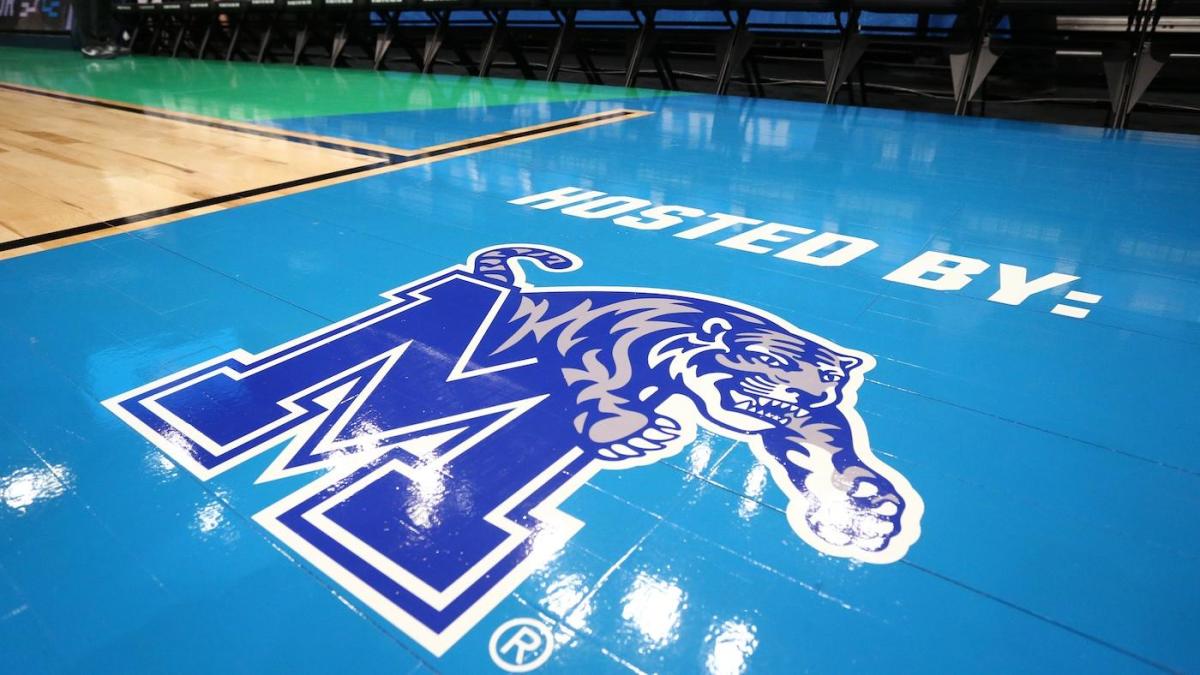
 www.cbssports.com
Great. UM doesn't need bad fans like you. Was a trip to Frisco last year at the same old thing over and over again?This is me.
No more money and might not even watch football next year because it's the same old thing over and over again. Never gets better, trust the process.
No
I want results and an upward trend not one good year out of 7
Good questions. However, I don't know how UM can compete if it doesn't raise and spend NIL money. At some point, the money just takes over and is too big for kids to ignore.FedEx to fund $25 million for Memphis NIL in what's believed to be largest corporate partnership with athletes
The investment will cover $5 million in NIL contracts for Memphis athletes for five straight years
How does the Business of NIL make cents? Like others have mentioned, if a school had a large endowment for it and drew off it to help fund that would make more sense.
When you give money/support to a university (such as joining GSA-Grizzly Scholarship Association) or a capitol project at the U, you at least believe that it is going to build programs, facilities, and help fund scholarships. In the case of NIL you are just signing up and handing out money with no strings attached, hoping it helps the program, and good people are in charge- taking care of it. As we have seen at Florida State and other schools, you can spend a ton of money trying to make a roster and still suck any given year. While 9-5 is good to some, it is quite stunning to others. The Griz were just in the National Title game last year and looked very disjointed this year and finished as 3+ touchdown underdogs in round of 16? NIL is certainly important and I wish Bill Belichick luck at North Carolina navigating it. I know the University of Montana needs luck with it as well.
Even if Montana had a Million dollars in NIL, that guarantees absolutely nothing. We could still have poor disjointed seasons. That's what is difficult with NIL, most times when you spend money you typically know what you are getting or where the money is going.
For those that give to NIL at Montana... what are you hoping to get in return? Just that in theory better players are coming to Missoula and the Griz will have more competitive team or that the players will stay and you had an impact on making that happen? A worthwhile “investment”, and or maybe emotional investment? Is the NIL competing with the GSA and other projects opportunities at the U? Where is our money best spent to help the University of Montana and the football team?

 lifetimecardinal.com
 gostanford.com
 stanforddaily.com

Wasn’t this article sort of debunked as not all NIL related. I think a lot of these numbers include donations for thinks facilities, etc over like a 15 or 20 year period.Only public universities were included in the findings. With expansion and conference realignment being the primary talking point of the offseason 2024 kickoff, financial security trumps all moving forward in college football's new era and the haves are further separating from the have nots from a monetary perspective.
50. Memphis Tigers: $170 million
49. Maryland Terrapins: $194 million
48. Minnesota Golden Gophers: $199 million
47. Oregon State Beavers: $201 million
46. Colorado Buffaloes: $208 million
45. NC State Wolfpack: $216 million
44. Georgia Tech Yellow Jackets: $220 million
43. UCLA Bruins: $233 million
42. Nebraska Cornhuskers: $236 million
41. Iowa State Cyclones: $249 million
40. Arizona State Sun Devils: $265 million
Memphis is the only Group of Five school in the top 50 over the last 17 years. What does that say about the sizable gap between the Power Four conferences and G5 ranks? This number is likely higher now that the data has aged after FedEx announced in April it was funding $25 million for Memphis NIL. It is believed to be largest corporate partnership with athletes, per CBS Sports, and is earmarked to fund $5 million in NIL per season for Memphis athletes for the next five years.
39. Mississippi State Bulldogs: $273 million
38. California Golden Bears: $283 million
37. Purdue Boilermakers: $289 million
36. Kentucky Wildcats: $302 million
35. Ole Miss Rebels: $310 million
34. Virginia Tech Hokies: $319 million
33t. Kansas State Wildcats: $324 million
33t. Arkansas Razorbacks: $324 million
31. Mizzou Tigers: $344 million
30. North Carolina Tar Heels: $344 million
29. Arizona Wildcats: $346 million
28. Indiana Hoosiers: $351 million
27. West Virginia Mountaineers: $354 million
26. Illinois Fighting Illini: $373 million
UNC cracked the top 30 with some of the ACC's top givers which contribute a large portion to men's basketball and football. There is always a handsome payoff on the hardwood for the Tar Heels' efforts as they were able to retain Armando Bacot last season through NIL and have veteran point guard R.J. Davis returning to this fall. Ironically, Tar Heels football coach Mack Brown said this summer his star running back, Omarion Hampton, turned down an NIL opportunity worth four times more than what he's receiving at UNC to stay in Chapel Hill.
25. Penn State Nittany Lions: $386 million
24. Wisconsin Badgers: $389 million
23. Texas Tech Red Raiders: $396 million
22. Washington Huskies: $402 million
21. Michigan State Spartans: $439 million
Among the public universities out West, Washington's givers were substantial at just over $400 million — and that came before the Huskies' rise during the 2023 season that included a conference championship and national title game appearance. That number has to increase over the next two decades to maintain the Huskies' competitiveness in the expanding Big Ten.
20. Louisville Cardinals: $450 million
19. Kansas Jayhawks: $459 million
18. South Carolina Gamecocks: $466 million
17. Clemson Tigers: $476 million
16. Iowa Hawkeyes: $477 million
It's crazy how close the Gamecocks and Tigers are on the grand scale of giving, almost equal within the Palmetto State. South Carolina won two national championships in baseball and a women's basketball title during this stretch of substantial help from donors while Clemson captured two College Football Playoff national championships in a multi-year stretch under Dabo Swinney to strengthen its brand nationally. South Carolina added a second national championship to Dawn Staley's trophy case over the summer.
15. Michigan Wolverines: $493 million
14. Tennessee Volunteers: $500 million
13. Virginia Cavaliers: $516 million
12. Alabama Crimson Tide: $528 million
11. Ohio State Buckeyes: $536 million
Project Ohio State into the top 10 after a memorable offseason in Columbus. The Buckeyes secured an estimated "$20 million in NIL deals" for athletes this year. Also, Ohio State was the nation's leader in athletic revenue for the 2022 fiscal year. The Buckeyes managed that despite ranking just outside the top 10 in donations. Ohio State's annually inside the top five for revenue, but coming in at No. 1 is a bit of a surprise over the second-ranked program in this study (Texas). According to USA Today, "in 2022, only nine public schools outside the Power Five conferences had more than $62.1 million in total operating expenses for their entire athletics program."
10. FLORIDA STATE SEMINOLES ($540 MILLION)
The Seminoles might be working with JP Morgan to fund a gargantuan buyout to leave the ACC, but FSU has no worries in the financial giving department according to the raw data from USA Today and the Knight Commission. The Seminoles have received the most money in donations in the ACC over the last 17 years prior to last fall's unbeaten regular season, which has led to facility enhancements and athletic department growth. FSU recently upgraded its football locker rooms and other athletics facilities are impressive.
9. AUBURN TIGERS ($580 MILLION)
Auburn annually seems to land wealthy one-off donations, but one of the biggest came in 2019 when the Tigers received $10 million from the Woltosz family that was earmarked for the new practice facility. It was the largest gift in program history and pushed the donation-funded total to over $30 million for the new facility. Walt and Ginger Woltosz said at the time their giving was an effort to make the Tigers more competitive in recruiting. Auburn recently hired Hugh Freeze as its new coach and recently paid ex-coachBryan Harsin a $15 million buyout.
8. OKLAHOMA SOONERS ($597 MILLION)
Over the stretch of this survey, Oklahoma donors gave nearly $600 million to the Sooners' athletic department efforts, which ranked third-highest in the Big 12 at the end of the 2022 campaign. The Sooners, like the Texas Longhorns, will receive a considerable bump during the 2024-25 fiscal year as SEC members, thanks to sharing sizable revenue distribution with the rest of the conference. We suspect that's going to mean more donations from top givers, too. It'll be interesting to see if the Sooners can continue to recruit at an elite level under Brent Venables and be an annual conference championship contender in the expanded SEC considering the wealth of talent on the schedule increased exponentially.
7. LSU TIGERS ($618 MILLION)
LSU's donor contingent is a collective effort. Even third-year head coach Brian Kelly is in on the giving. His recent pledge of $1 million to the construction of an improved training room for athletes was a program record for a sitting coach. The Tiger Athletic Foundation is one of the most respected in the SEC. LSU's overall giving from 2005-22 was fourth-best in the SEC and second in the West (Texas A&M).
"Investing in the health and well-being of student-athletes is among the most important commitments a coach can make, and my family and I are honored and privileged to contribute to the expansion of our athletic training room and recovery suite," Kelly said in a university release two years ago. "The commitment from TAF, LSU Athletics, and our partners in the community to provide the best sports medicine and comprehensive care to generations of Tigers is unwavering and unmatched, and we are grateful to be able to give back to all of our student-athletes."
6. OKLAHOMA STATE COWBOYS ($670 MILLION)
Prior to the 2023 season, Oklahoma State received a $120 million gift from the T. Boone Pickens Foundation. Pickens, posthumously, is the Cowboys' wealthiest benefactor. Most of those funds go toward scholarships along with a wellness and health center for students. Pickens, an alumnus, was a "transformative philanthropist whose giving to Oklahoma State now approaches $650 million", according to a release. The T. Boone Pickens Foundation was established in 2006, one year prior to the beginning of this USA Today and Knight Commission study of donor giving.
5. GEORGIA BULLDOGS ($716 MILLION)
No program in college football spends more money on football recruiting than the Bulldogs and they earned a handsome return on investment. Athletic department expenses surpass revenue at most schools and according to USA Today, the average salary for a college football head coach pre-pandemic in 2019 was $3.5 million per season. Thanks to unrivaled success and consecutive national championships, Georgia's Kirby Smart makes nearly four times that number as one of college football's elite coaches. The Bulldogs' brand, in 2024, has never been more recognizable and Georgia is once again college football's preseason No. 1.
4. FLORIDA GATORS ($763 MILLION)
University of Florida graduate Gary Condron, CEO and founder of The Conlan Company (construction firm), is said to be the largest donor in athletic department history in Gainesville. A 2021 release revealed that Condron has given more than $22.5 million to the Gators over the years and the football program's indoor practice facility bears his name. Condron played baseball for the Gators. In 2018, he served as honorary head coach at Florida for the spring football game. Like other high-end boosters nationally, when Condron speaks at Florida, people listen.
3. TEXAS LONGHORNS ($766 MILLION)
Always one of the nation's top revenue producers, the Longhorns push closer to Ohio State for top billing if not surpass the Buckeyes during the 2024-25 fiscal year as an official SEC member and shares in sizable revenue distribution with the rest of the conference. Not exactly a sleeping giant in college football given this program's revenue numbers and resources devoted to winning, the Longhorns could hit supernova status in the new era if Steve Sarkisian can put this team in the playoff every season.
2. TEXAS A&M AGGIES ($849 MILLION)
The 12th Man Foundation generates gobs of money annually via donations. They are raising funds for the $120 million Centennial Campaign, which involves the construction of a new 140-yard indoor football practice facility, an indoor track and an updated academic and nutrition center for athletes. Texas A&M has been at the forefront of college football's new NIL era as well and in 2022, signed the highest-rated football recruiting class in history. Former Aggies athletic director Ross Bjork said last spring that Texas A&M athletes have signed NIL deals worth approximately $10 million. That number is now dwarfed by a $20 million estimation at his new school, Ohio State.
1. OREGON DUCKS ($969 MILLION)
Nike founder Phil Knight is the primary reason the Ducks have one of the nicest football facilities in the country and are lapping others in NIL resources. Knight, a university alumnus, has given more than $1 billion back to Oregon over the past two decades. In 2016, Knight donated $500 million to the University of Oregon's science program exclusively. He helped bankroll several state-of-the-art construction projects within athletics and is believed to be the singlemost influential donor across college athletics. When you're the brains behind the Swoosh, you hold that level of power.

